
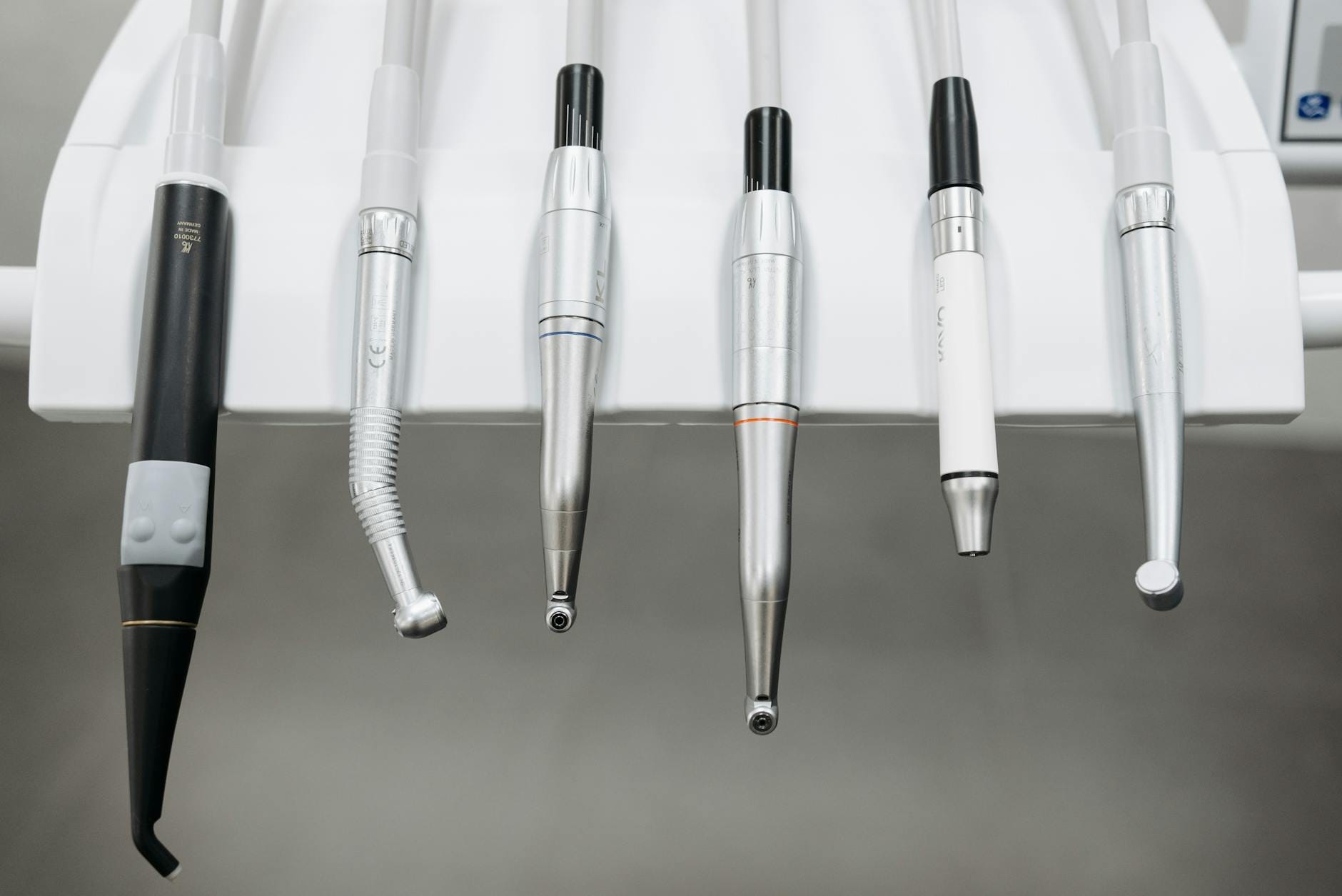
Dental handpieces are one of the most heavily used tools in any dental practice. Because they operate at extremely high speeds and endure constant sterilization cycles, wear and tear is unavoidable over time.
The good news is that handpieces usually show warning signs before they fail completely. Recognizing these signs early can help prevent unexpected downtime and costly interruptions to your schedule.
Below are five common signs that a dental handpiece may be nearing failure—and what your team can do to prevent it.
1. Increased Noise During Operation
One of the earliest indicators of a failing handpiece is an unusual increase in noise. A high-pitched whine, rattling sound, or grinding noise can signal internal wear.
In many cases, this noise is caused by worn bearings inside the turbine cartridge. As these components begin to degrade, they no longer rotate smoothly, creating additional friction and sound.
How to Prevent It
If a handpiece becomes noticeably louder than normal, it is best to send it in for inspection before the issue worsens. Early service can often prevent further damage to internal components.
2. Excessive Vibration
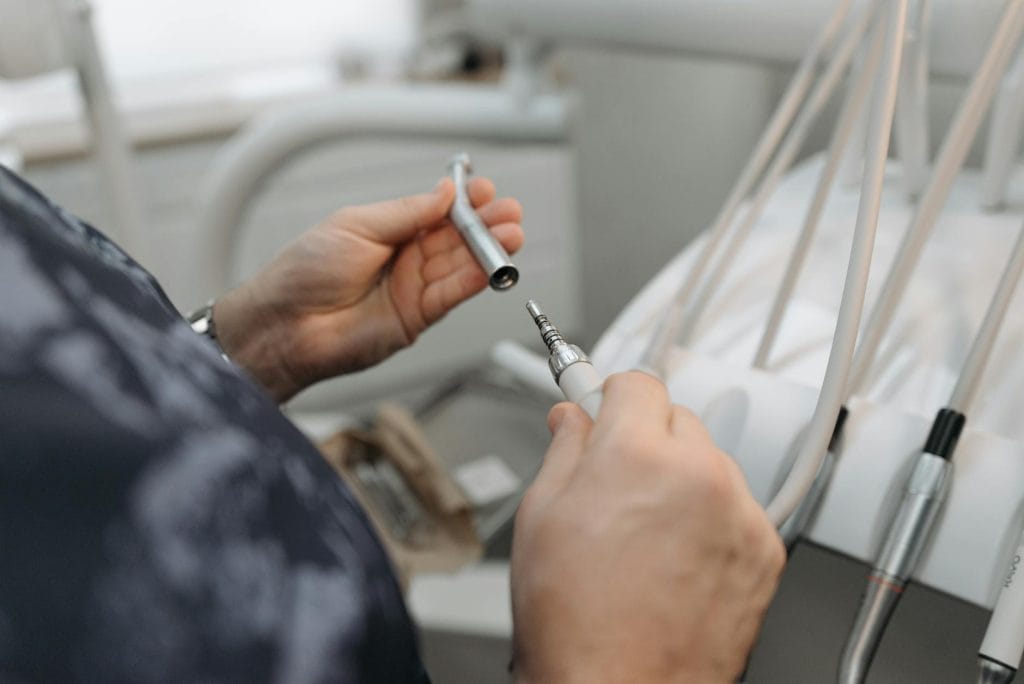
Dental handpieces are designed to operate smoothly and with minimal vibration. When a handpiece begins to vibrate more than usual, it may indicate internal imbalance or component wear.
Excessive vibration can affect precision during procedures and may cause discomfort for both the dentist and the patient.
How to Prevent It
Routine maintenance and timely repairs help ensure internal components remain balanced and functioning properly. Addressing vibration early can help prevent more extensive repairs later.
3. Reduced Cutting Efficiency
If a handpiece suddenly seems less effective during procedures, it could be a sign that the turbine is no longer operating at optimal speed.
Reduced cutting power can result from worn turbines, airflow issues, or internal component damage.
How to Prevent It
When performance changes are noticeable, it is often best to have the handpiece evaluated. Prompt service can restore performance and prevent the need for full cartridge replacement.
4. Overheating During Use
Handpieces generate some heat during operation, but excessive heat is usually a warning sign.
Overheating may occur when internal components experience increased friction due to wear, insufficient lubrication, or bearing failure.
This can make procedures uncomfortable for patients and may lead to additional damage if ignored.
How to Prevent It
Proper lubrication and routine inspection are essential. If a handpiece becomes unusually warm during use, it should be removed from service and evaluated.
5. Intermittent Power or Stalling
Another common sign of an impending failure is inconsistent operation. A handpiece may start and stop unexpectedly or fail to reach full speed.
These symptoms can indicate airflow issues, turbine problems, or internal mechanical wear.
How to Prevent It
Early diagnosis is key. Sending a handpiece for evaluation at the first sign of inconsistent performance can often prevent complete failure.
Preventing Unexpected Handpiece Failures
While wear is inevitable, proactive maintenance can significantly extend the life of dental handpieces.
Best practices include:
- Proper lubrication after each cleaning cycle
- Following manufacturer sterilization guidelines
- Monitoring performance changes
- Sending handpieces for service when early warning signs appear
These steps help ensure your equipment continues to perform reliably throughout the day.
Supporting Dental Practices with Reliable Handpiece Service
At Precision Handpiece Repairs LLC, we understand how critical handpieces are to daily dental operations. Our team works with dental practices to provide dependable repair services designed to restore performance and extend the life of your equipment.
If your practice notices any of the warning signs above, addressing the issue early can help prevent larger problems down the road.