

Electric dental handpieces have become an important part of many modern dental practices. Their consistent cutting performance, controlled speed, and quieter operation can make them an excellent choice for restorative and other clinical procedures.
But electric handpieces can also represent a significant investment, which makes choosing the right equipment — and taking care of it once you have it — especially important.
Brasseler USA recently highlighted five important features dental professionals should consider when selecting an electric handpiece: weight, torque, sound level, head size, and warranty.
Read Brasseler USA’s original article: Five Key Features in Choosing an Electric Dental Handpiece
At Precision Handpiece Repairs, we think those are excellent considerations. Here’s a closer look at why each one matters — along with another factor dental offices shouldn’t overlook: what happens when that handpiece eventually needs service.
1. Weight and Balance Matter More Than You Might Think
A handpiece may only weigh a few ounces, but dentists and hygienists can hold these instruments for hours throughout the workday.
That makes weight and, perhaps even more importantly, balance important considerations.
A lighter, well-balanced handpiece can help reduce unnecessary strain during long procedures and make precise movements feel more natural. A handpiece that feels awkward or excessively heavy may contribute to fatigue over the course of a busy clinical schedule.
Brasseler points to its Forza M5 1:5 attachment as an example of a lightweight electric attachment. Its Short Series line is designed around compact dimensions, reduced weight, and improved balance.
View Brasseler’s Forza Short Series electric attachments
When evaluating a new electric handpiece, don’t simply compare specifications on paper. Consider how the complete motor-and-attachment combination actually feels in your hand.
2. Torque Can Be Just as Important as Speed
One of the primary reasons many clinicians choose electric handpieces is their ability to provide strong, consistent torque.
Rather than focusing only on maximum RPM, consider how the handpiece performs when the bur is actually placed under load.
Consistent torque can contribute to smoother cutting and more predictable performance, particularly when working with harder restorative materials. Brasseler specifically identifies torque as one of its five primary considerations when selecting an electric handpiece.
Their clinical electric lineup includes electric motors and attachments designed around performance, durability, and ergonomics.
Explore Brasseler USA clinical electric handpieces or view our great lineup of new and refurbished handpieces at our Precision Handpiece Repairs Online Shop.
There is another reason torque matters: a noticeable change in performance may tell you something about the condition of your equipment.
If an electric attachment that previously performed well begins cutting differently, feels rough, becomes unusually noisy, or no longer performs as expected, don’t automatically assume you simply need more power. Changes in performance can be a good reason to have the handpiece inspected.
3. Pay Attention to Sound Level — Including Changes in Sound
Electric handpieces generally operate differently from traditional air-driven high-speed handpieces, including producing a quieter and typically lower-pitched sound.
That can make the clinical environment more comfortable for both the dental team and patients. Brasseler also notes that quieter operation may be particularly beneficial in pediatric settings and for patients who are sensitive to dental sounds.
Learn more about Brasseler’s pediatric dentistry resources
But there is another reason dental teams should become familiar with the way their handpieces sound:
A change in sound can be an early warning sign.
If an electric attachment develops a new grinding, rattling, whining, or rough mechanical sound, don’t ignore it simply because the handpiece still operates.
Your dental team uses these instruments every day. If someone says, “This handpiece doesn’t sound like it normally does,” it’s worth paying attention.
Catching a developing problem early may allow it to be addressed before it becomes a larger failure.
4. Head Size Affects Visibility and Access
The size of the handpiece head can make a noticeable difference in posterior access, visibility, and overall maneuverability.
Smaller head designs can provide the clinician with a clearer view of the treatment area while making it easier to work in limited spaces.
Brasseler’s article highlights head size as one of its major selection factors and points to its Forza Short Series, which uses an 8.9 mm diameter head on certain attachments.
When comparing handpieces, consider more than just the size of the head itself. Look at the entire profile:
- Head diameter
- Head height
- Neck width
- Overall attachment length
- Balance when connected to the motor
- Visibility around the treatment area
The smallest handpiece isn’t automatically the best choice for every practice. The goal should be finding the right combination of access, power, durability, and comfort for the procedures you perform most often.
5. Don’t Overlook the Warranty
Dental handpieces work hard.
They are repeatedly operated at high speeds, sterilized, lubricated when required, and placed back into service — often many times every day.
A strong manufacturer’s warranty can therefore add meaningful value to the purchase.
Brasseler, for example, highlights a three-year warranty on its Forza Short Series attachments as part of that product line’s value proposition.
Before purchasing any handpiece, understand:
- What the warranty covers
- How long coverage lasts
- Whether normal wear items are excluded
- What maintenance is required to maintain warranty coverage
- Where warranty service must be performed
- What happens once the warranty expires
That last question deserves more attention than it often receives.
6. One More Question: Can the Handpiece Be Properly Repaired?
This is where Precision Handpiece Repairs would add another consideration to the list.
Before investing heavily in any handpiece system, it’s worth understanding how the equipment will be serviced over its lifetime.
Even a premium handpiece will eventually experience wear.
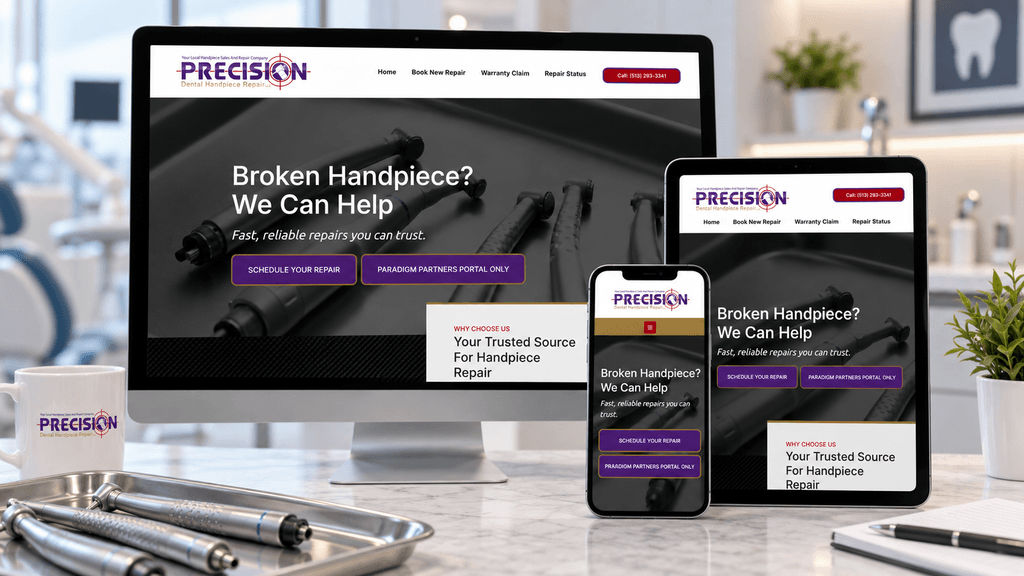
Knowing that competent repair support is available can help extend the useful life of your equipment and potentially avoid unnecessary replacement costs.
At Precision Handpiece Repairs, we service electric handpieces along with high-speed, low-speed, and surgical handpieces. When something isn’t performing correctly, our goal is to help determine the problem and provide a practical repair solution.
Warning Signs Your Electric Handpiece Should Be Inspected
Your handpiece doesn’t necessarily have to stop working completely before it needs attention.
Watch for changes such as unusual noise, increased vibration, reduced cutting performance, excessive heat, bur retention problems, or a handpiece that simply feels different than it normally does.
One of the best habits a dental team can develop is recognizing what normal feels and sounds like.
When something changes, investigate it rather than continuing to use the handpiece until it completely fails.
Need an Electric Handpiece Repair?
If an electric handpiece in your practice isn’t performing the way it should, Precision Handpiece Repairs makes it easy to start the repair process online.
You can submit your repair through the Precision Handpiece Repairs Client Portal, receive your repair information, and keep track of your handpiece through the process.
Book a Handpiece Repair Through the PHPR Client Portal
Whether you’re dealing with an electric attachment, high-speed, low-speed, or surgical handpiece, we’re here to help keep your equipment — and your practice — moving.

