
Zirconia Is Tough on More Than Burs: What Today’s Restorative Materials Mean for Your Dental Handpieces
Zirconia has changed restorative dentistry.
Its strength, durability, aesthetics, and ability to withstand significant occlusal forces have helped make zirconia restorations a common choice in dental practices. But anyone who has ever had to section or remove a zirconia crown also knows there is another side to that strength:
Zirconia can be difficult to cut.
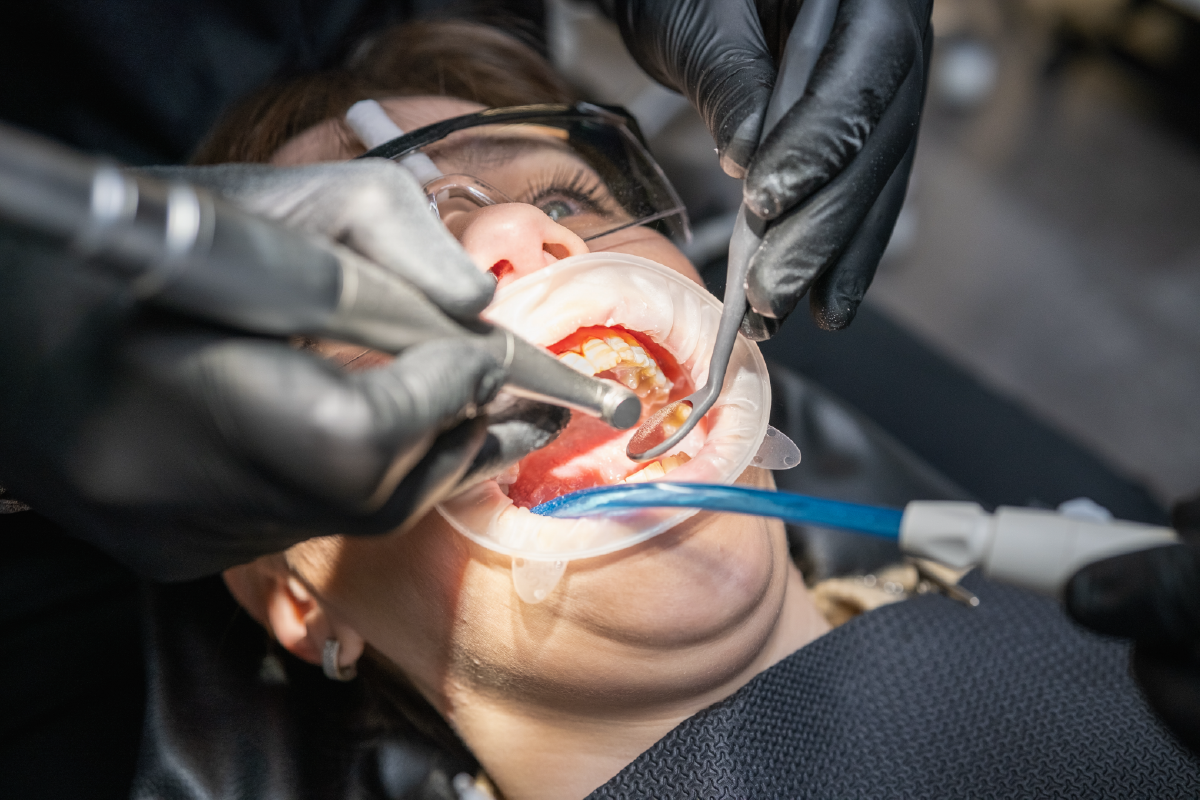
And while much of the conversation naturally centers around choosing the right bur, there is another piece of equipment doing a tremendous amount of work during the procedure — the dental handpiece powering it.
Working with high-strength restorative materials can place very different demands on a handpiece than routine tooth preparation. Understanding those demands can help dental professionals improve cutting performance, recognize equipment problems earlier, and potentially extend the useful life of some of the most heavily used tools in the operatory.
Why Is Zirconia So Difficult to Cut?
Modern dental zirconia was developed specifically to provide impressive mechanical strength.
That is great when the goal is keeping a restoration intact.
It becomes a little less convenient when that same restoration needs to come back off.
Research evaluating zirconia removal has repeatedly described the material as challenging and time-consuming to section because of its high strength. Studies have also evaluated specialized zirconia-cutting burs, rotational speeds, cutting pressure, and coolant because seemingly small changes can affect both cutting efficiency and heat generation.
In other words, removing zirconia isn’t simply a matter of putting a bur in a handpiece and pressing harder.
In fact, more pressure does not automatically mean better cutting.
One study comparing rotary instruments used to cut zirconia found that increasing cutting load resulted in higher temperatures. The researchers recommended lighter force combined with sufficient water cooling rather than relying on excessive pressure.
That matters for both the restoration and the equipment doing the work.
Your Bur and Your Handpiece Are a Team
When cutting feels slow, it can be tempting to immediately blame the handpiece.
Sometimes the handpiece really is the problem.
But cutting performance is the result of several things working together:
- The condition and type of bur
- Rotational speed
- Available torque
- Water coolant
- Cutting pressure
- The restorative material being cut
- The mechanical condition of the handpiece itself
A worn bur can make a perfectly healthy handpiece feel weak.
Likewise, installing a brand-new bur into a handpiece with worn bearings, drive-train problems, poor bur retention, inadequate spray, or reduced performance isn’t going to magically restore normal cutting.
That is why changes in cutting performance deserve a little investigation before simply increasing pressure and continuing.
Torque Becomes Much More Noticeable With Difficult Materials
Dentists often hear RPM discussed when comparing dental handpieces, but rotational speed is only part of the story.
Torque describes the handpiece’s ability to maintain rotational force when the bur is placed under load.
The difference becomes especially noticeable when working against resistant materials.
An air-driven high-speed turbine can operate at extremely high unloaded speeds, but its speed may decrease when significant pressure is applied. Electric handpieces generally operate differently and are known for providing more consistent torque under load.
That does not automatically make one type of handpiece right for every dentist or every procedure.
It does, however, explain why clinicians working regularly with demanding restorative materials may notice differences between handpiece systems that appear similar when they are simply spinning outside the mouth.
We recently looked more closely at torque, weight, head size, sound, and other considerations in our guide to choosing an electric dental handpiece.
If your practice is considering adding or replacing an electric system, it is worth looking beyond maximum RPM and considering how the entire handpiece performs under actual clinical load.
Water Spray Is Doing More Than Keeping Things Wet
Cooling is particularly important when high-speed rotary instruments are cutting tooth structure or restorative materials.
Friction generates heat.
Water coolant helps control that heat while also helping remove debris from the cutting area and maintain cutting efficiency.
Research into dental handpiece cooling has shown that water delivery, flow, and even spray-port arrangement can affect conditions at the cutting interface.
This is one reason a handpiece with partially obstructed or poorly performing spray ports should not simply be treated as an inconvenience.
If the spray pattern suddenly looks different than normal, inspect it.
A clogged coolant port, internal contamination, or other problem affecting water delivery can potentially change the way the handpiece performs during demanding procedures.
One Important Question: Is the Handpiece Getting Hot?
Dental professionals should always become familiar with how their equipment normally feels, sounds, and performs.
If a handpiece begins producing unusual heat during operation, something deserves attention.
Heat can have several possible causes, including mechanical problems inside the handpiece. Continuing to operate equipment that is behaving abnormally can potentially turn a developing problem into a larger repair.
Other changes worth watching for include:
- New vibration
- Grinding, rattling, whining, or rough sounds
- A noticeable change in cutting performance
- Difficulty maintaining speed under load
- Bur movement or poor bur retention
- Changes in spray pattern
- Increasing head temperature
- A handpiece that simply doesn’t feel the way it normally does
Dental teams work with these instruments every day.
Sometimes the most valuable diagnostic tool isn’t a meter or machine.
It is someone saying:
“This one doesn’t feel right.”
That is worth listening to.
Don’t Try to Compensate for a Tired Handpiece With More Pressure
This may be one of the most important takeaways when working with zirconia.
When a restoration isn’t cutting efficiently, the natural reaction is often to push harder.
But excessive pressure may increase heat and place additional load on both the bur and handpiece.
Instead, consider the entire cutting system.
Ask:
Is the bur still sharp and appropriate for the material?
Is coolant reaching the cutting area properly?
Is the handpiece operating normally?
Has its sound, vibration, temperature, or cutting performance recently changed?
Is the equipment being used according to the manufacturer’s recommendations?
If the answer to one of those questions raises concern, pushing harder probably isn’t the solution.
Harder Materials Make Preventive Attention More Valuable
Dental handpieces already live a demanding life.
They spin at extremely high speeds, experience repeated loading and unloading, undergo sterilization cycles, and may be used throughout an entire clinical day.
Add difficult restorative materials into that environment and seemingly minor mechanical changes can become much more noticeable.
A handpiece does not necessarily need to completely stop functioning before it should be inspected.
Catching symptoms such as bearing noise, vibration, bur-retention problems, overheating, or reduced performance earlier may prevent an inconvenient failure in the middle of a busy schedule.
At Precision Handpiece Repairs, we service high-speed, low-speed, electric, and surgical dental handpieces and can help determine whether an underperforming handpiece can be repaired rather than unnecessarily replaced.
You can learn more about our electric handpiece repair services or view all available PHPR repair services.
What If Your Current Handpiece Isn’t the Right Fit Anymore?
Sometimes the issue isn’t a repair.
The equipment may simply no longer be the best fit for the procedures being performed.
If your practice has added more zirconia restorations, expanded restorative procedures, or is considering moving from air-driven equipment into electric handpieces, it may be worth reevaluating your setup.
PHPR’s online store includes both new and refurbished dental handpieces, electric attachments, motors, and other equipment.
Browse new and refurbished handpieces from Precision Handpiece Repairs
A quality refurbished handpiece can also be useful as a backup so the practice isn’t left scrambling when a primary handpiece eventually needs service.
Zirconia Has Evolved. Your Handpiece Strategy Should Too.
Today’s restorative materials are remarkably capable.
But stronger materials ask more from the tools used to prepare, adjust, and remove them.
The answer isn’t necessarily buying the most expensive handpiece available or replacing everything in the operatory.
Often it comes down to understanding how the entire cutting system works:
A good bur.
Proper technique.
Adequate coolant.
Appropriate torque.
And a handpiece that is mechanically performing the way it should.
Paying attention to those factors can make difficult procedures more predictable while helping your dental team recognize equipment problems before they become complete failures.
And if one of your handpieces starts sounding, feeling, or performing differently, don’t wait until it stops working altogether.
Is Your Handpiece Trying to Tell You Something?
Precision Handpiece Repairs makes it easy to submit your equipment for service online.
Through the PHPR Client Portal, you can select your handpiece, choose the repair service you need, enter your shipping information, receive your confirmation and shipping information, and follow the repair process online.
Start Your Handpiece Repair Through the PHPR Client Portal →
Already sent a handpiece in?
Whether you’re working with an electric attachment, high-speed turbine, low-speed handpiece, or surgical handpiece, Precision Handpiece Repairs is here to help keep your equipment — and your practice — moving.

