

Dental Staffing Shortages Make Handpiece Downtime More Expensive
Dental practices have always had to deal with equipment problems. A handpiece begins making an unusual noise. A contra-angle starts running hot. A turbine loses power. A motor suddenly stops performing the way it should.
But in a practice that is already operating with a stretched team, even a relatively routine equipment failure can become a much bigger problem.
That matters in 2026 because dental staffing challenges are still affecting practices across the country. According to the American Dental Association Health Policy Institute’s Q3 2026 State of the U.S. Dental Economy report, staffing shortages have not eased significantly over the past year. Around one-third of dentists continue to report recruiting dental hygienists and dental assistants, and some practices are leaving positions open for months.
The result is simple: when there are fewer people available to absorb disruptions, dental handpiece downtime becomes more expensive in time, productivity, and stress—not just in the cost of the repair.
Why Equipment Downtime Hits a Short-Staffed Dental Practice Harder
A failed handpiece rarely affects only the person holding it.
When a critical piece of equipment goes down during a busy clinical day, the effects can spread throughout the practice. A dental assistant may need to find another handpiece, move equipment between operatories, determine whether a backup is available, contact a repair company, package the equipment, locate shipping information, and keep track of the repair.
Meanwhile, the clinical schedule is still moving.
When the practice is fully staffed, those extra tasks may be inconvenient. When the team is already stretched thin, they can become a significant distraction.
Handpiece downtime can contribute to:
- Longer room turnover or procedure delays
- More pressure on dental assistants and clinical staff
- Last-minute equipment swapping between operatories
- Additional phone calls and administrative work
- Schedule changes when the correct equipment is unavailable
- Emergency equipment purchases that were not planned
- More wear on the remaining handpieces still in service
That last point is easy to overlook.
If one or two handpieces are unavailable, the remaining equipment often gets used more heavily. That can create a cycle where fewer handpieces are carrying more of the workload, increasing wear at exactly the time the practice can least afford another failure.
Dental Staffing Pressure Is Still a Real Industry Issue
This is not just an individual-practice problem.
In 2026, dental workforce challenges continue to affect practices across the country. Recruiting hygienists and dental assistants remains difficult for many offices, and some positions remain open for extended periods.
You can read more about the industry’s ongoing workforce discussion through the American Dental Association’s November workforce coverage.
Those numbers matter because staffing and equipment reliability are more connected than they may initially appear.
A practice cannot always solve a staffing shortage immediately. It can, however, reduce some of the avoidable disruptions that make an already-busy team even busier.
1. Catch Handpiece Problems Before They Become Complete Failures
One of the easiest ways to reduce unexpected downtime is to pay attention to small performance changes before a handpiece stops working entirely.
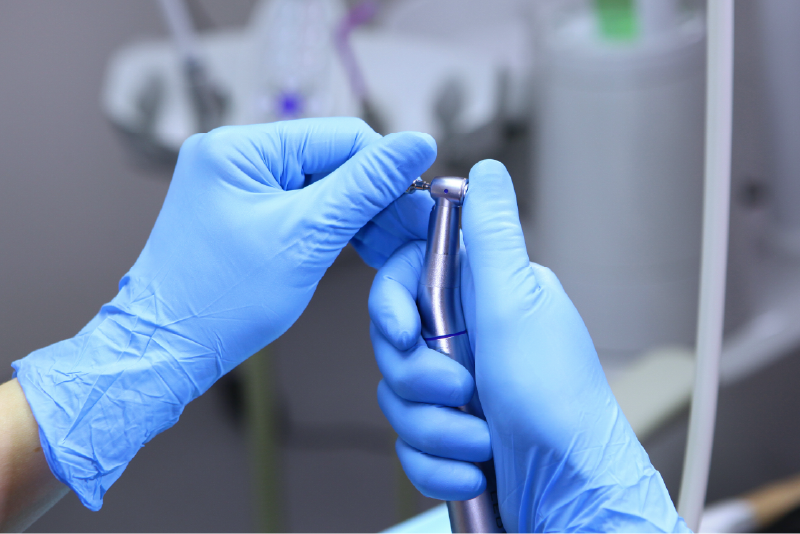
Warning signs can include:
- New grinding, rattling, or whining sounds
- Increased vibration
- Reduced cutting power
- A bur that feels loose or does not seat normally
- Higher operating temperature
- Intermittent performance
- Changes in spray or airflow
These symptoms do not always mean a handpiece is about to fail immediately, but they are worth investigating.
PHPR has a simple guide that can help your team recognize several of these warning signs quickly: The 30-Second Handpiece Health Check.
Finding a developing issue during a morning equipment check is far easier than discovering it halfway through a procedure.
2. Don’t Wait Until Your Last Reliable Handpiece Needs Repair
Many practices gradually lose their equipment cushion without realizing it.
A practice may begin with six dependable high-speed handpieces. One gets set aside because it sounds different. Another is waiting to be repaired. A third becomes unreliable but is kept in circulation because the office is busy.
Suddenly, the practice is relying heavily on only a few dependable handpieces.
That is a risky position for a busy office—and even more so when staffing is tight.
A better strategy is to periodically evaluate:
- How many handpieces are required during a normal clinical day
- How many reliable backup units are actually available
- Which handpieces are repeatedly being removed from service
- Which units are waiting for repair
- Whether older equipment should be repaired, refurbished, or replaced
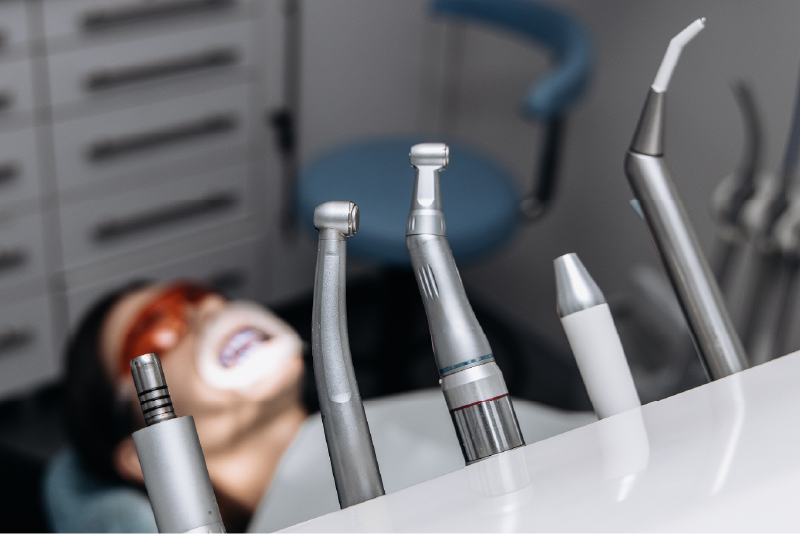
Backup equipment does not necessarily mean purchasing the most expensive new handpiece available.
Precision Handpiece Repairs also offers new, refurbished, and compatible dental handpieces and equipment through the PHPR online shop. For practices trying to build a more reliable backup inventory without overspending, it can be worth comparing repair costs with replacement or additional backup options.
3. Make the Repair Process Easier on the Team
When a handpiece fails, the repair itself is only one part of the workload.
Someone still needs to document the equipment, explain the problem, arrange shipping, keep track of the repair, and know when the handpiece is coming back.
Those administrative steps matter when staff members are already balancing patients, sterilization, room turnover, scheduling, inventory, and other responsibilities.

PHPR’s online Client Portal is designed to make that process easier.
Dental offices can submit a repair online, enter the handpiece make and model, record the serial number and problem, submit multiple handpieces, select the appropriate service, and receive shipping instructions through one process.
Once a repair has been submitted, the Repair Status page can also be used to check a repair using the case number or handpiece serial number.
For a busy team, reducing unnecessary calls and keeping repair information organized can remove one more administrative task from an already crowded day.
4. Repair Quality Equipment Instead of Automatically Replacing It
Equipment failure can create pressure to make a fast purchasing decision.
But a failing handpiece does not automatically mean it should be thrown away.
Depending on the type of handpiece and its condition, professional repair may restore reliable performance while avoiding the cost of an unnecessary replacement.
Precision Handpiece Repairs provides service for a broad range of dental equipment, including:
- High-speed handpieces
- Low-speed handpieces
- Electric handpieces
- Surgical handpieces
- Nose cones and angles
- Ultrasonic scalers
- Sharpening and re-tipping
You can view PHPR’s full dental handpiece repair services here.
The goal should not be to repair everything forever—or replace everything at the first sign of trouble.
The better approach is to evaluate each piece of equipment and choose the option that makes the most operational and financial sense for the practice.
5. Make Equipment Reliability Part of Your Staffing Strategy
Staffing strategy usually focuses on people: recruiting, scheduling, training, retention, and workload.
But equipment reliability belongs in that conversation too.
A dental assistant cannot work efficiently if the equipment they need is constantly unavailable. A hygienist already managing a full schedule should not have to repeatedly search for functioning equipment. A dentist should not have to reorganize procedures because the right handpiece is unexpectedly out of service.
Reliable equipment will not solve a workforce shortage.
It can, however, help prevent avoidable equipment problems from making staffing challenges worse.
For Multi-Location Dental Groups, the Problem Can Multiply
The same issue becomes even more important for dental groups and DSOs.
If every location uses a different repair process, different vendor, or different method for tracking equipment, operational complexity increases as the organization grows.
PHPR offers a standardized DSO handpiece repair program for multi-location dental organizations. Qualifying groups with 10 or more offices can receive a 20% repair discount while using a consistent repair submission, shipping, and tracking process across locations.
A standardized process can help individual offices spend less time figuring out what to do when equipment fails and give operations teams a more predictable way to manage repairs across the organization.
How to Reduce Handpiece Downtime When Your Team Is Already Stretched
If your practice is dealing with staffing pressure, start with a few simple steps:
- Identify your critical equipment. Know which handpieces would create the biggest disruption if they failed tomorrow.
- Check for early warning signs. Noise, vibration, heat, weak cutting performance, or bur-retention problems deserve attention.
- Know your actual backup inventory. Don’t assume a handpiece sitting in a drawer is ready for clinical use.
- Send questionable equipment for evaluation before it fails completely.
- Create one repair process. Make sure staff know where repairs go and how to submit them.
- Track repairs instead of relying on memory.
- Compare repair and replacement options. Maintain dependable backup equipment where it makes sense.
None of these steps will eliminate every equipment problem.
They can make those problems much easier to manage.
When Your Team Is Busy, Your Equipment Needs to Be Ready
Dental staffing shortages are putting pressure on practices across the country. When every team member is already carrying a full workload, unnecessary equipment downtime adds one more problem to an already demanding day.
Keeping handpieces maintained, addressing warning signs early, maintaining dependable backups, and creating a simple repair process can help protect both productivity and the people keeping the practice moving.
Precision Handpiece Repairs LLC is a family-owned dental handpiece repair company based in Mason, Ohio, serving dental practices and organizations across the United States. PHPR repairs high-speed, low-speed, electric, surgical, and other dental handpiece equipment while also offering new and refurbished equipment through its online shop.
Have a Handpiece Showing Signs of Trouble?
Don’t wait until a developing problem becomes an unexpected interruption to your clinical day.
Frequently Asked Questions About Dental Handpiece Downtime
Why is dental handpiece downtime more disruptive during a staffing shortage?
When fewer team members are available, equipment problems create additional work for people who are already managing full schedules. Finding replacement equipment, arranging repairs, tracking shipments, and reorganizing procedures can take time away from patient care and other responsibilities.
How can a dental office reduce unexpected handpiece downtime?
Regularly checking handpieces for unusual noise, vibration, heat, reduced performance, and bur-retention problems can help identify developing issues. Practices should also maintain reliable backup equipment and send questionable handpieces for evaluation before complete failure.
Should a dental practice repair or replace a failing handpiece?
It depends on the age, condition, repair history, replacement cost, and type of handpiece. Many quality handpieces can be professionally repaired, while others may be better candidates for replacement. Comparing both options before purchasing new equipment can help control costs.
Can PHPR repair handpieces from dental practices outside Ohio?
Yes. Precision Handpiece Repairs is based in Mason, Ohio, but dental practices throughout the United States can submit repairs through the online PHPR Client Portal and ship equipment for service.
Can dental practices buy backup handpieces from PHPR?
Yes. PHPR’s online store offers new, refurbished, and compatible dental handpieces and related equipment. Keeping dependable backup equipment available can help practices stay productive when a primary handpiece needs service.
Does PHPR support multi-location dental groups and DSOs?
Yes. PHPR offers a DSO repair program designed to help multi-location dental groups standardize repair submission, shipping, tracking, and service. Qualifying groups with 10 or more locations can receive a 20% handpiece repair discount.

